
Call: 07313726579
 Send Inquiry
 Send Inquiry
Barcode Labels
MOQ : 100 Pieces
Barcode Labels Specification
- Printing Method
- Thermal Transfer, Direct Thermal, Digital Printing
- Print Type
- Barcodes, QR codes, Serial numbers, Text
- Surface Finish
- Matte, Glossy, Semi-gloss
- Shape
- Rectangular, Square, Custom shapes
- Features
- Durable, Tear resistant, Residue free removal, Smudge-proof
- Usage & Applications
- Warehousing, Product labeling, Shipping, Asset identification, Retail
- Adhesive Type
- Pressure Sensitive
- Pattern
- Plain or Customized Pattern
- Water Proof
- Yes (for polyester, vinyl, synthetic options)
- Material
- Paper, Polyester, Vinyl, Synthetic
- Use
- Product labelling, Asset tracking, Inventory management, Retail, Logistics
- Tape Type
- Self-adhesive label
- Adhesive
- Acrylic, Permanent
- Design Printing
- Screen Printing, Digital Printing, Flexographic Printing
- Color
- White, Custom colors
- Length
- Custom sizes; Roll length commonly up to 100 meters
- Width
- Remains customizable, commonly 25mm to 110mm
- Thickness
- 60-90 micron
- Style
- Plain, Pre-printed, Customizable
- Environmental Resistance
- Resistance to oil, chemicals (for synthetic labels)
- Shelf Life
- 12-24 months when stored properly
- Compatibility
- Suitable for desktop and industrial barcode printers
- Minimum Application Temperature
- +5°C
- Maximum Operating Temperature
- Up to 80°C depending on material
- Finish Type
- Gloss, Matte, or Satin
- Minimum Order Quantity
- 1000 labels (varies with supplier)
- Core Size
- 1 inch, 1.5 inch, 3 inch
- Custom Size Available
- Yes
- Recyclability
- Paper labels are recyclable
Barcode Labels Trade Information
- Minimum Order Quantity
- 100 Pieces
- Supply Ability
- 1000 Pieces Per Day
- Delivery Time
- 2-3 Days
About Barcode Labels
we have specialized in designing Barcode Labels in the industry. Extensively used in shopping malls, food stores and retail stores for tracking and storing purposes, these labels have serial number written that can be read with the help of a barcode scanner. Available at the leading prices, we can customize our entire range of Barcode Labels as per clients' requirement.
Features:
- Remain intact
- High adhesive strength
- Resistant to harsh weather conditions
Customizable for Every Need
Choose from a variety of shapes, sizes, adhesive types, and finishes to fit your precise labeling requirements. Whether you need plain, pre-printed, or fully customized barcode labels, you can select from paper for recyclability or robust synthetics for enhanced durability. Labels can be printed with barcodes, QR codes, text, or unique patterns, ensuring they meet your operational and branding goals.
Engineered for Performance
Our barcode labels are designed to perform consistently in demanding environments. With resistance to oil, chemicals (for synthetic labels), and water (for polyester, vinyl, or synthetic materials), as well as a minimum application temperature of +5C and operational tolerance up to 80C, they are ideal for industrial, warehousing, and logistics settings. The adhesive leaves no residue, ensuring clean removal if needed.
Versatile Compatibility and Usage
These labels fit seamlessly with most desktop and industrial barcode printers, supporting printing technologies such as thermal transfer, direct thermal, and digital printing. Their adaptability in shape, core size, width, and length means they integrate smoothly into a broad range of product labeling, shipping, asset management, and inventory control workflows.
FAQs of Barcode Labels:
Q: How do I choose the right material and finish for my barcode labels?
A: To select the best material and finish, consider environmental factors and label usage. Paper labels work well for standard applications and are recyclable. If resistance to chemicals, oil, or water is needed, polyester, vinyl, or synthetic materials with matte, gloss, or satin finishes are advised. Glossy and satin finishes provide a polished look, while matte offers non-glare readability.Q: What printing methods are compatible with these barcode labels?
A: Our barcode labels support thermal transfer, direct thermal, and digital printing. They are suitable for most desktop and industrial barcode printers, ensuring flexibility for various operational requirements and print volumes.Q: When should I use waterproof or chemical-resistant barcode labels?
A: Waterproof and chemical-resistant labels, made from polyester, vinyl, or other synthetic materials, are ideal for environments where labels may be exposed to moisture, oil, or harsh chemicals, such as in logistics, warehousing, or industrial settings.Q: Where can these labels be applied, and on which surfaces do they adhere best?
A: These pressure-sensitive, self-adhesive labels can be applied to most clean, dry surfaces including cardboard, plastic, metal, and glass. Theyre widely used in retail, warehousing, manufacturing, asset tracking, and shipping applications.Q: What is the minimum order quantity and can I order custom sizes or shapes?
A: The minimum order is 1,000 labels, although this may vary by supplier. Labels can be fully customized in terms of size, shape, design, color, and finish to meet your exact specifications.Q: How should I store barcode labels and what is their shelf life?
A: Store barcode labels in a cool, dry place away from direct sunlight to maintain adhesive quality and print clarity. Under proper conditions, shelf life typically ranges from 12 to 24 months.Q: What are the main benefits of using these barcode labels for business applications?
A: These barcode labels offer excellent durability, tear resistance, and smudge-proof printing. Chemical and water resistance (for synthetics) ensure reliable performance in challenging conditions. They boost traceability, simplify inventory management, and enhance product identification.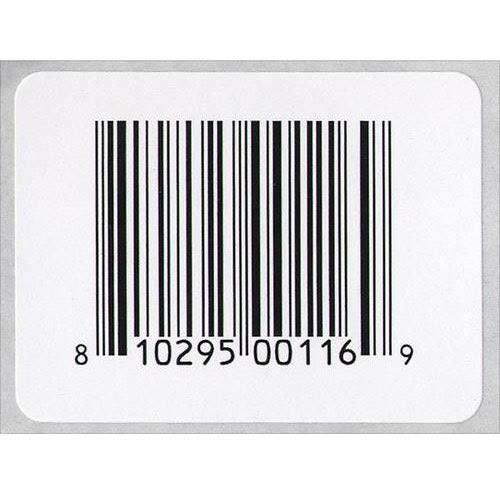
Tell us about your requirement

Price:
Quantity
Select Unit
- 50
- 100
- 200
- 250
- 500
- 1000+
Additional detail
Mobile number
Email

More Products in Labels And Tags Category
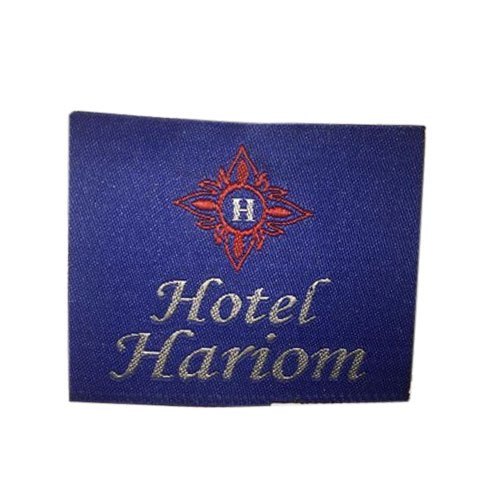
Hotel Uniform Label
Water Proof : Yes
Pattern : Custom Text and Logo
Style : Woven Label
Design Printing : Other, Customized Design
Usage & Applications : Branding, Identification of Hotel Uniforms
Features : Durable, Colorfast, Washable, Tear Resistant
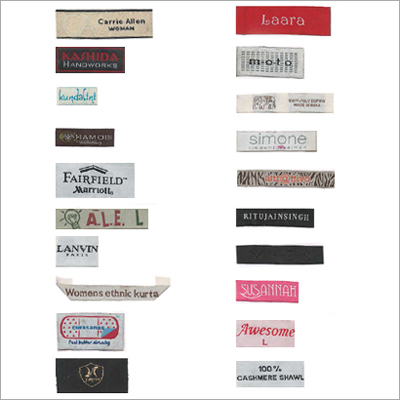
Garment Labels
Water Proof : No
Pattern : Text Logo
Style : Modern & Branded
Design Printing : Other, Custom text and logo designs printed
Usage & Applications : Brand labeling for garments
Features : Durable Customizable Highquality finish
Holographic Polyester Label
Water Proof : Yes
Pattern : Holographic
Style : Flat
Design Printing : Other, Custom Printed
Usage & Applications : Security Tags Branding
Features : Durable EyeCatching
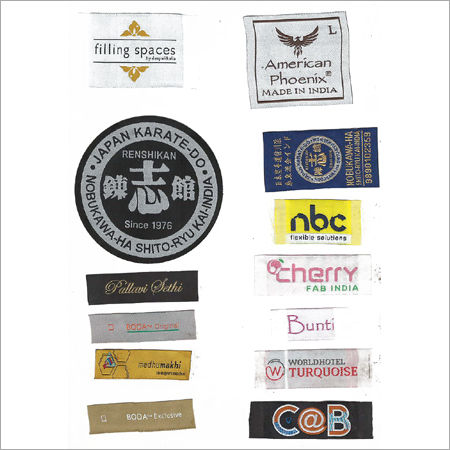
Labels Stickers and Tags
Water Proof : Optional
Pattern : Custom Patterns
Style : Logo Tags and Stickers
Design Printing : Custom Logo Printing, Other
Usage & Applications : Brand Labeling Product Tags
Features : Durable Highquality Customizable

Contact Details
GST : 08ABZPR2855G1ZW
- Behind Jewels Emporium, M.I. Road, Jaipur - 302001, Rajasthan, India
- Phone :07313726579

 Send Inquiry
Developed and Managed by Infocom Network Private Limited.
